
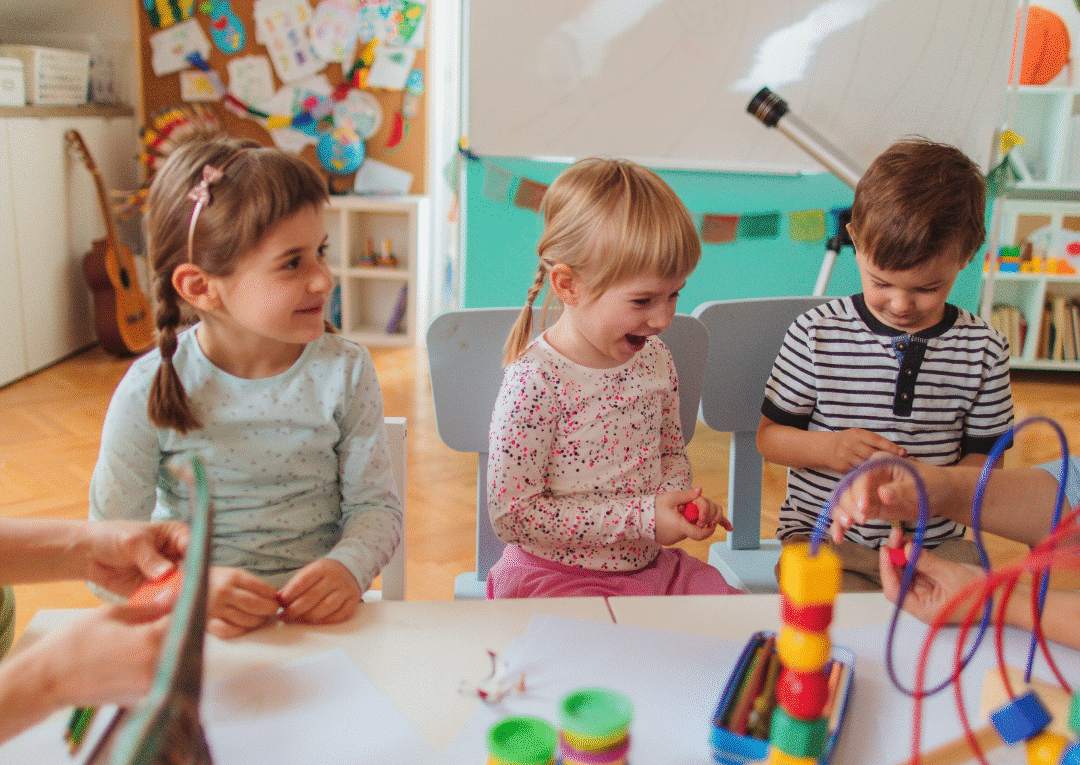
Fun Learning Games for Preschoolers: Engaging Activities to Boost Early Development
Preschoolers thrive in environments that stimulate their curiosity and creativity. Engaging them with fun learning games not only enhances their cognitive skills but also fosters social interaction and emotional development. Incorporating playful activities into their daily routine can significantly boost key learning outcomes while keeping them entertained.
Games such as matching games, scavenger hunts, and interactive storytelling offer opportunities for children to explore concepts in an enjoyable way. These activities can easily be adapted to various themes and subjects, making learning more relevant to a child’s world. Parents and educators can leverage these fun games to encourage active participation and foster a love for learning from an early age.
Choosing the right games can create a positive and enriching experience for preschoolers. By selecting activities that balance fun and education, caregivers set the stage for lifelong learning habits. Encouraging play is essential, as it allows for natural exploration and development.
Essential Learning Games for Preschoolers
Preschoolers thrive when learning is integrated with play. Key areas of focus include number and math games, color and shape exploration, and foundational literacy activities, all designed to enhance cognitive and social skills.
Engaging Number and Math Games
Preschoolers can benefit greatly from number and math games that encourage basic arithmetic skills such as addition and subtraction. Activities like counting games using colorful manipulatives or interactive math apps can make learning fun and interactive.
Tangrams are another effective tool for introducing geometry concepts. By manipulating shapes to create pictures, children learn spatial awareness as well as problem-solving skills.
A game like the Rainbow Tower helps children practice counting while fitting colored blocks in sequence. These engaging activities build crucial math foundations and enhance number recognition skills.
Exploring Colors, Shapes, and Patterns
Games that focus on colors, shapes, and patterns are essential for preschool development. Simple matching games using colored cards help reinforce color identification.
Shape scavenger hunts encourage children to find objects matching specific shapes in their environment. This interactive exploration reinforces understanding through real-world connections.
Using tangrams again in this context can aid in recognizing different geometric shapes. Creating sequences with various colored beads or blocks helps preschoolers understand patterns. These activities enhance creativity while solidifying knowledge of basic geometry.
Developing Literacy Through Fun
Fun literacy games lay the groundwork for early reading skills. Activities focusing on sight words and phonics can be both enjoyable and educational. For example, word games using flashcards can engage children in identifying common words.
Incorporating vowel sounds with songs or rhymes makes learning engaging. Singing about letters helps preschoolers remember sounds while enjoying music.
Utilizing adjectives in storytelling games fosters descriptive language skills. Encouraging kids to describe pictures or objects enhances their vocabulary while teaching them how to express ideas clearly.
Interactive Learning for Young Minds
Engaging preschoolers in interactive learning activities enhances their cognitive development while keeping them entertained. Utilizing games and creative tasks stimulates curiosity and problem-solving skills.
Puzzles and Problem-Solving Activities
Puzzles, such as jigsaw puzzles and “find the differences” games, are essential for developing critical thinking and spatial awareness. These activities encourage children to recognize patterns and improve their concentration.
By working on 3D builder puzzles, they can explore creativity and fine motor skills. Children can manipulate pieces to fit together, which fosters decision-making abilities and patience. Engaging in these problem-solving tasks not only makes learning enjoyable but also strengthens their ability to overcome challenges independently.
Building Foundations with Science and Creativity
Incorporating science games is a fantastic way to spark interest in the natural world. Programs involving Islands of Creatures allow kids to explore diverse ecosystems and understand basic biological concepts while having fun.
Creative play, such as role-playing with Fluffy Cuddlies, helps children develop social skills and emotional intelligence. These games often involve teamwork and communication, encouraging collaboration amongst peers. By blending scientific concepts with imaginative play, children gain essential knowledge while enjoying interactive experiences that will aid their learning journey.
Games for Social Interaction and Play
Games that foster social interaction are crucial for preschoolers. They help children develop teamwork skills, communication, and empathy while having fun. Two main types of games promote these interactions: strategic and cooperative play games, as well as imaginative and role-playing games.
Strategic and Cooperative Play Games
Strategic games engage children in decision-making and teamwork. Checkers is a classic example that teaches children about strategy and critical thinking. Kids learn to collaborate and compete, enhancing their social skills.
Snoring Pirates is another engaging game where players must work together to keep the pirate from snoring too loudly, promoting cooperation and shared goals.
Games like Hex Blocks focus on building and block stacking, requiring players to communicate and strategize effectively. These games not only entertain but also prepare preschoolers for social challenges in a supportive environment.
Imaginative and Role-playing Games
Imaginative play is essential for cognitive and social development. Pingu and Friends allows children to create their own stories while acting out various characters, which fosters creativity and social understanding.
Another popular game, Cake Topping, encourages kids to collaborate creatively. They can design and share their cake creations in a playful environment, enhancing communication skills and fostering friendships.
These games encourage children to explore different roles, which develops empathy and understanding for others’ perspectives. Engaging in such activities lays a solid foundation for future social interactions.