Best Classroom Activities for Group Learning to Boost Collaboration and Engagement
Group learning is an essential part of modern education, fostering collaboration, communication, and critical thinking among students. The best classroom activities for group learning are those that encourage active participation, problem-solving, and peer interaction. These activities help students engage more deeply with the material and with each other.
Effective group activities range from project-based assignments to discussion circles and hands-on experiments. Each activity should be designed to balance individual accountability with teamwork, ensuring every student contributes while benefiting from group dynamics.
Choosing the right activities can make a significant difference in how well students absorb information and develop social skills. This guide highlights practical, adaptable activities that work well in various classroom settings.
Benefits of Group Learning in the Classroom
Group learning provides students with multiple opportunities to develop skills that are essential for academic and future workplace success. It encourages active participation, sharper analysis, and sustained motivation among learners.
Enhanced Collaboration Skills
Working in groups teaches students how to interact effectively with others. They learn to negotiate roles, share responsibilities, and build consensus. These experiences develop communication skills crucial for team settings.
Students also improve their ability to listen, offer constructive feedback, and resolve conflicts. Such social skills prepare them for diverse environments beyond the classroom.
Improved Critical Thinking
Group tasks prompt students to evaluate different viewpoints and challenge assumptions. This process enhances analytical skills and promotes a deeper understanding of content.
Collaborative problem-solving encourages learners to justify their ideas and consider alternative solutions. Dialogue among peers supports critical examination of concepts that might be overlooked in individual study.
Boosted Student Engagement
Group activities increase motivation by creating a dynamic learning atmosphere. Students tend to participate more actively when they are responsible for contributing to a team outcome.
The social aspect of group work reduces feelings of isolation and maintains interest. Peer interaction often leads to higher retention of material and greater enthusiasm for learning tasks.
Key Elements of Effective Group Activities
Successful group activities require clear communication, thoughtful planning, and intentional structuring. Defining goals, organizing participants, and specifying roles help maximize engagement and productivity.
Clear Objectives and Instructions
Group activities begin with well-defined objectives that state exactly what students should achieve. Clear goals prevent confusion and keep the group focused on the task.
Instructions must be concise and detailed, outlining each step of the activity. Providing examples or visual aids can improve understanding and reduce questions during the activity.
Breaking complex tasks into smaller parts allows students to approach the work systematically. Clarity in expectations also helps groups manage their time effectively and measure progress.
Diverse Group Composition
Groups benefit from members with different skills, backgrounds, and perspectives. Mixing abilities encourages peer learning and broadens problem-solving approaches.
Avoid grouping students based solely on friendship or similar ability levels, as this can limit interaction and reduce challenge. Intentional diversity promotes balance in contributions and viewpoints.
Consider factors such as personality, academic strengths, and communication styles to create groups that foster collaboration. Diversity helps represent a wider range of ideas and prevents dominance by a few individuals.
Role Assignments
Assigning specific roles increases accountability and structure within a group. Roles like facilitator, recorder, timekeeper, or presenter clarify individual responsibilities.
Rotating roles across activities ensures all students develop a variety of skills and remain engaged. It also prevents role fatigue and encourages fairness.
Clear definitions of each role help groups function smoothly by minimizing overlap or confusion. Role assignments support organization and enhance group dynamics, leading to more efficient collaboration.
Interactive Group Activities for Younger Learners
Hands-on activities that promote creativity, communication, and teamwork work best for young students. These tasks should encourage participation and make learning fun while building essential social skills.
Story Building Circles
Story-building circles help children develop language arts skills through collaborative storytelling. Students sit in a circle, and each adds a sentence or idea to create a story together.
This activity enhances listening, creativity, and sequencing skills. Teachers can guide by providing story starters or themes, allowing learners to contribute freely while respecting turns. Using visual aids like pictures can support children who struggle with verbal expression.
Cooperative Art Projects
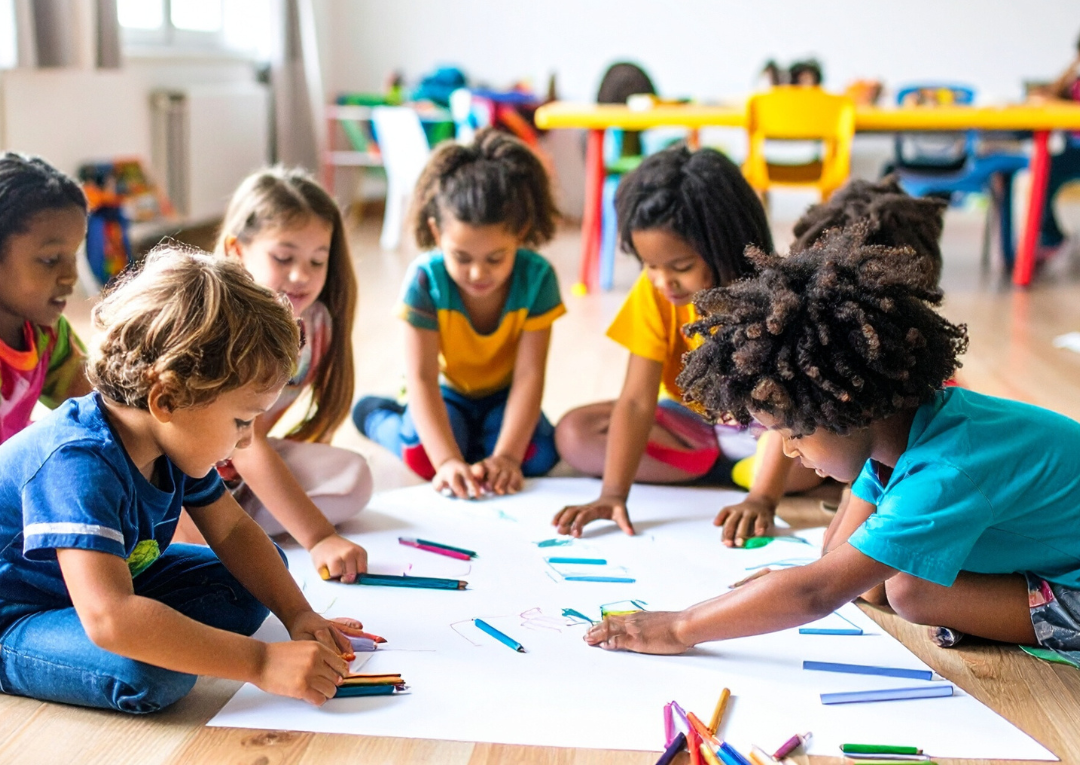
Cooperative art projects engage kids in creating a single artwork by sharing materials and ideas. Participants are assigned roles such as sketching, coloring, or decorating different parts of a mural or collage.
These projects improve fine motor skills and foster teamwork. They also offer opportunities to discuss colors, shapes, and design principles in a supportive group setting. Displaying finished works encourages pride and group identity.
Shared Science Experiments
Shared science experiments involve simple, safe activities done in small groups, such as growing plants or mixing baking soda and vinegar. Each child participates by observing, measuring, or recording results.
This hands-on approach sparks curiosity and teaches basic scientific concepts. It also promotes communication skills as students discuss hypotheses and outcomes. Providing clear instructions and supervising closely ensures safety and maximizes learning.
Dynamic Group Activities for Older Students
Engaging older students in group work requires activities that challenge critical thinking, communication, and collaboration. These activities should encourage deeper analysis and active participation while fostering peer interaction.
Collaborative Debates
Collaborative debates encourage students to research, structure arguments, and present viewpoints clearly. Assigning specific roles such as researchers, speakers, and rebuttal specialists helps distribute responsibility evenly. This structure develops teamwork and public speaking skills simultaneously.
Students benefit from preparing evidence-based arguments and anticipating counterpoints. Debates also enhance listening skills since participants must respond directly to opponents. The competitive aspect should focus on respectful discourse and logic rather than winning by any means.
Case Study Analysis
Case study analysis involves small groups examining real-world scenarios to identify problems and solutions. This activity emphasizes critical thinking and the application of theoretical knowledge in practical contexts.
Groups discuss the case details, formulate hypotheses, and propose strategies. Using guiding questions or worksheets can keep discussions focused. It encourages students to justify their reasoning clearly while considering alternative perspectives.
Peer Teaching Sessions
Peer teaching leverages students’ understanding by having them explain concepts to classmates. Small groups assign topics to members who then prepare lessons or presentations for the group.
This method reinforces the teacher’s material and improves communication skills. Teaching others requires clear organization of ideas, which deepens comprehension. Feedback from peers also provides opportunities to correct misunderstandings.
Subject-Specific Group Learning Strategies
Group learning methods vary widely across subjects but share a focus on collaboration, critical thinking, and communication. Tailored strategies help maximize student engagement and deepen understanding in different disciplines.
Mathematics Problem-Solving Teams
Math groups benefit from clearly defined roles, such as problem solver, recorder, and explainer. Assigning roles helps manage workflow and ensures active participation.
Teams work on complex problems together, encouraging students to explain their reasoning aloud. This verbalization deepens understanding and exposes misconceptions.
Use step-by-step problem breakdowns and peer feedback checkpoints. Regular group reflection sessions improve strategy choices and foster collective learning.
Literature Discussion Groups
In literature groups, students analyze themes, characters, and narrative techniques through guided discussion questions. Focused prompts keep discussions on track and promote deeper analysis.
Assign rotating discussion leaders to develop facilitation skills. Encourage citing textual evidence to support opinions, enhancing critical thinking.
Groups can use graphic organizers to map plot elements or character relationships. Visual tools help clarify complex storylines and improve retention during discussions.
STEM Project Collaboration
STEM groups work best with defined project phases: research, design, prototyping, and testing. Clear deadlines and task assignments prevent overlap and inefficiency.
Encourage interdisciplinary roles within teams—for example, combining coding, engineering, and data analysis skills. This mirrors real-world STEM collaboration.
Use shared digital platforms for communication and documentation. Progress tracking tools keep everyone accountable and foster transparent teamwork.
Tools and Resources for Facilitating Group Work
Effective group work requires tools that promote clear communication, organized task management, and timely feedback. Selecting appropriate platforms and resources can streamline collaboration and enhance learning outcomes.
Digital Collaboration Platforms
Digital platforms like Google Workspace and Microsoft Teams enable real-time communication and file sharing. They support simultaneous editing, which helps groups work together efficiently, regardless of location. Features such as chat, video calls, and task assignments keep team members connected and accountable.
Platforms like Trello and Slack focus on project management, allowing groups to track progress through boards and channels. These tools also integrate with calendars and reminders, helping students manage deadlines. Choosing a platform depends on the group’s size, technology access, and specific collaboration needs.
Shared Worksheets
Shared worksheets, often created with Google Sheets or Excel Online, provide a structured space for data collection, calculation, and note-taking. These tools allow multiple users to input and edit information simultaneously, which is useful for joint research or data analysis tasks.
Using shared worksheets helps maintain a clear record of contributions. Features like comment threads and version history make it easier to resolve conflicts and track changes. Custom templates can be designed to fit specific learning objectives or assignment requirements, adding efficiency to group workflows.
Feedback Templates
Templates for providing feedback ensure that responses are consistent, constructive, and focused on key learning criteria. These can be graphic organizers, rubric forms, or digital checklists, designed to guide both peer evaluations and instructor reviews.
Effective feedback templates highlight specific areas such as participation, problem-solving, and communication skills. Using standardized forms saves time and clarifies expectations. Templates also encourage self-assessment, helping students reflect on their performance and identify areas for improvement.
Assessing Group Performance Effectively
Effective group assessment requires clear criteria, balanced feedback, and opportunities for individual reflection. Methods need to capture both the collective output and each member’s contribution. Combining structured evaluation tools with personal insights leads to a fairer, more comprehensive review.
Rubrics for Group Work
Rubrics provide a clear framework for assessing group projects. They list specific criteria such as collaboration, communication, task completion, and quality of work. Each criterion is rated on a scale, helping both instructors and students understand expectations.
A well-designed rubric improves consistency and transparency. It guides groups on where to focus effort and clarifies how each aspect is graded. Including levels like “excellent,” “satisfactory,” and “needs improvement” encourages self-assessment and goal-setting within the group.
Peer Evaluation Techniques
Peer evaluation uncovers individual involvement, which may be hidden in group results. Structured peer reviews often use questionnaires or rating scales where members assess each other’s participation, reliability, and teamwork.
This method encourages accountability and helps identify uneven workloads. To be effective, evaluations should be anonymous and focus on specific behaviors rather than personality. Clear guidelines must ensure constructive, honest feedback that supports improvement and fairness.
Reflective Journals
Reflective journals ask group members to document their experiences, challenges, and learning throughout the project. This individual account reveals personal insights and growth that group products alone cannot show.
Journals promote deeper thinking about roles and group dynamics. They also highlight how members resolve conflicts or contribute uniquely. Instructors can use these reflections to assess personal development alongside group achievements.
Tips for Managing Challenges in Group Activities
Effective group activities require addressing common issues to keep collaboration productive. Managing participation, resolving disagreements, and encouraging quieter members are essential for smooth group dynamics.
Addressing Uneven Participation
Unequal involvement can hinder group progress. Assigning specific roles like note-taker, timekeeper, or reporter ensures each member has a clear responsibility. This structure reduces the chances of some students dominating while others stay passive.
Regular check-ins during the activity help identify participants who might be disengaged. Prompting quieter members with direct questions or breaking tasks into smaller segments can encourage wider input. Monitoring and adjusting group roles as needed maintains balanced participation throughout.
Resolving Conflicts
Disagreements can disrupt group work if not handled promptly. Encourage students to express their views respectfully and listen actively to others. Set clear guidelines about acceptable behavior and conflict-resolution methods before the activity begins.
If conflicts escalate, intervene early by facilitating a calm discussion focused on facts rather than emotions. Help the group prioritize common goals and find compromises. Teaching conflict resolution skills strengthens students’ ability to collaborate in future activities.
Supporting Quiet Students
Quiet students may struggle to contribute in group settings. Creating a safe, low-pressure environment encourages their participation. Using small groups or pairs can help them feel more comfortable sharing ideas.
Offering alternative communication methods, such as written reflections or digital platforms, allows quieter students to express themselves in ways that suit their style. Recognize and validate their contributions to build confidence and promote ongoing engagement.
Conclusion
Group learning activities are essential tools that foster collaboration and communication among students. They encourage critical thinking and allow learners to engage with diverse perspectives.
Effective group activities should be purposeful, structured, and adaptable to different learning styles. This ensures every member contributes and benefits from the shared experience.
Teachers can use a variety of methods, such as discussions, problem-solving tasks, and role-playing, to keep students motivated. Balancing guidance with autonomy helps maintain focus while encouraging independence.
Key benefits of group learning include:
- Improved social skills
- Enhanced problem-solving abilities
- Greater retention of knowledge
By integrating these activities regularly, educators create a dynamic environment that supports both academic growth and social development. Tailoring activities to the class’s needs improves participation and outcomes.
Selecting the right group activity depends on the lesson goal, student age, and available resources. Flexibility in approach ensures activities remain relevant and effective across different subjects and settings.