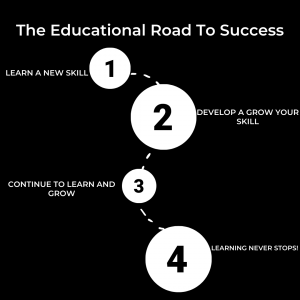

How to Encourage a Growth Mindset in Students for Effective Learning and Development
Encouraging a growth mindset in students means helping them understand that their abilities can improve with effort and learning. The key is to create an environment where mistakes are seen as opportunities to grow rather than failures. This shift in perspective motivates students to embrace challenges and persist through difficulties.
Teachers and parents can foster this mindset by praising effort over innate talent and encouraging reflection on the learning process. Providing specific feedback that focuses on strategies and progress helps students build confidence in their ability to develop skills.
When students adopt a growth mindset, they become more resilient and open to learning, which supports long-term academic and personal success. The following strategies will guide educators and caregivers in nurturing this valuable approach.
Understanding Growth Mindset
A growth mindset involves beliefs about learning and intelligence that shape motivation and behavior. It contrasts with fixed mindset views and plays a key role in how students approach challenges and setbacks.
Definition and Core Principles
A growth mindset is the belief that abilities and intelligence can be developed through effort, practice, and learning. It emphasizes progress over immediate perfection. Key principles include embracing challenges, persisting through obstacles, learning from criticism, and finding inspiration in others’ success.
This approach encourages learners to see failures as opportunities to improve rather than signs of inability. It promotes curiosity and continuous development rather than focusing solely on innate talent or fixed traits.
Growth Mindset vs. Fixed Mindset
A fixed mindset assumes intelligence and talents are static, leading students to avoid challenges and fear mistakes. In contrast, a growth mindset sees these as opportunities to build skills.
| Aspect | Growth Mindset | Fixed Mindset |
| View of ability | Can develop with effort | Inborn and unchangeable |
| Response to failure | Learn and improve | Avoid or feel discouraged |
| Approach to challenges | Embrace and persist | Avoid or give up |
Students with a growth mindset are more resilient and motivated, which positively impacts their learning outcomes.
Why Growth Mindset Matters in Education
Encouraging a growth mindset supports deeper learning and creativity. It helps students develop problem-solving skills by encouraging them to take risks and learn from errors.
Teachers who foster this mindset create a classroom environment where effort is valued over grades. This approach reduces anxiety around performance and builds confidence by highlighting that intelligence is not fixed but can grow with dedication.
Growth mindset practices enable students to face academic challenges with persistence, which improves both their academic and social-emotional development.
Key Strategies to Encourage Growth Mindset
Encouraging a growth mindset requires targeted actions that help students understand, internalize, and practice the idea that abilities can develop. Effective methods include direct instruction, purposeful communication, and recognizing behaviors that foster persistence.
Explicitly Teach Growth Mindset Concepts
Start by defining what a growth mindset is through clear, age-appropriate explanations. Use concrete examples to contrast fixed and growth mindsets, such as comparing “I can’t do this” with “I can improve with practice.”
Incorporate lessons on brain plasticity, showing that intelligence is not fixed but can grow. Activities like storytelling, discussions, or short videos grounded in research help make this tangible.
Regularly revisit these concepts to deepen understanding. Provide opportunities for students to reflect on their learning process, linking effort to improvement. Use simple language such as “mistakes help us learn” to reinforce this idea consistently.
Model Growth Mindset Language
Teachers should use language that emphasizes effort, strategies, and progress rather than innate talent. Replace phrases like “You’re so smart” with “You worked really hard on that” or “I noticed you tried a new way to solve that.”
When correcting mistakes, focus on what can be learned instead of criticizing. Phrases such as “Let’s think about what this tells us” guide students to view errors as valuable feedback.
Maintain a calm and encouraging tone, especially when students struggle. Share personal examples of challenges and how persistence led to improvement. This normalizes challenges and demonstrates the practical application of a growth mindset.
Celebrate Effort and Persistence
Recognizing effort publicly motivates students to value hard work over immediate success. Use specific praise such as “You kept going even when it was difficult” to highlight persistence.
Create systems like effort charts or “persistence awards” that encourage sustained practice. Emphasize the process — goal-setting, trying different strategies, asking for help — rather than just outcomes.
Encourage peer recognition through group discussions or sharing sessions about challenges overcome. This builds a classroom culture that rewards resilience and continuous learning.
Creating a Supportive Classroom Environment
Building trust, encouraging open communication, and setting clear expectations are essential to nurturing student growth. The classroom should motivate students to take risks and view challenges as opportunities. Feedback must be specific, actionable, and aimed at improvement rather than judgment.
Fostering Psychological Safety
Psychological safety means students feel secure expressing their ideas without fear of ridicule or rejection. This can be achieved by establishing ground rules that promote respect and active listening. For example, a rule could be: “Everyone’s opinion is valuable and deserves thoughtful attention.”
Teachers should model vulnerability by sharing their own learning struggles. This normalizes failure as part of growth and encourages students to participate more openly. Regularly checking in on students’ emotional well-being fosters an environment where they feel supported.
Encouraging Risk-Taking and Learning from Mistakes
Risk-taking should be rewarded as part of the learning process. Emphasize effort and strategy over innate ability to shift focus from “right answers” to creative problem-solving. Create assignments that challenge students outside their comfort zones but offer enough scaffolding to prevent frustration.
When mistakes happen, prompt reflection. Ask questions like, “What did you learn from this attempt?” or “What would you try differently next time?” This guides students to analyze errors constructively rather than feeling defeated.
Providing Constructive Feedback
Feedback should be specific, timely, and oriented toward improvement. Avoid vague praise like “Good job” and focus instead on detailing what was done well and what can be improved. For example: “Your argument is clear, but adding examples will strengthen it.”
Use a balanced approach by highlighting strengths first, followed by areas for growth. Encourage self-assessment and goal setting to make feedback a conversation rather than a one-way critique. This approach builds student ownership of their learning journey.
Incorporating Growth Mindset into Lesson Plans
Lesson plans should actively encourage students to embrace challenges, reflect on their learning, and see the value of applying knowledge beyond the classroom. This approach helps develop resilience and a positive attitude toward learning.
Designing Tasks that Promote Challenge
Create tasks that are just beyond students’ current skill levels. This “zone of proximal development” encourages effort without causing frustration. Use open-ended questions and problems with multiple solutions to foster creativity and critical thinking.
Incorporate clear success criteria focused on process and improvement, not just correctness. Encourage students to take risks and view mistakes as learning opportunities. Gradually increase task difficulty as students gain confidence and skills.
Using Reflection Activities
Reflection builds awareness of learning processes and personal growth. Include short prompts asking students what strategies worked, what challenges they faced, and how they overcame obstacles.
Use journals, exit tickets, or group discussions regularly. Ask questions like “What did I find difficult today?” and “How can I improve next time?” This helps students internalize effort as a key to progress rather than innate ability.
Integrating Real-World Examples
Connect lessons to real-life scenarios that require persistence and problem-solving. Use case studies or news stories showing how experts developed skills through practice and failure.
Discuss careers and fields where a growth mindset plays a role in success, such as science, sports, or art. This makes learning relevant and motivates students to apply growth mindset principles in their own lives.
Engaging Parents and Caregivers
Parents and caregivers play a critical role in reinforcing a growth mindset. Clear communication about what a growth mindset is and why it matters helps align home and school efforts.
Encourage parents to praise effort, strategies, and persistence instead of innate talent. This can be communicated with simple examples:
| Praise Focus | Example Phrase |
| Effort | “I see you worked really hard on this.” |
| Strategy | “Trying a new way really helped here.” |
| Persistence | “You kept going even when it was tough.” |
Sharing resources such as articles, videos, or workshops gives caregivers tools to support mindset development. Suggest questions they can ask their children, like “What did you try differently today?” or “What did you learn from a mistake?”
Regular updates on student progress and specific efforts help parents stay involved. Create opportunities for dialogue, such as parent-teacher meetings focused on mindset themes.
Building partnerships with families creates consistency in messages about learning and effort. This strengthens students’ belief in their ability to improve through hard work.
Overcoming Common Obstacles
Students may resist adopting a growth mindset due to fear of failure or fixed beliefs about intelligence. Teachers must also avoid unintended praise that can limit students’ willingness to take on challenges and learn from mistakes.
Addressing Student Resistance
Resistance often stems from a fear of looking incompetent. Encourage students to view challenges as opportunities, not threats. Use language like “This is how we grow,” rather than “You’re not good at this.”
Model vulnerability by sharing times when you struggled but improved with effort. Create safe spaces where mistakes are seen as part of learning. Establish clear routines that reward effort and persistence, not just results.
Consistently reinforce that abilities are not fixed. Use examples of growth, such as how skills improve through practice. Help students set manageable goals to experience success incrementally.
Avoiding Praise Pitfalls
Praise focused on innate ability can reinforce a fixed mindset. Instead of saying “You’re so smart,” emphasize effort with phrases like “You worked really hard on this.”
Avoid empty or excessive praise that doesn’t specify what was done well. Target feedback on specific strategies or behaviors, such as problem-solving steps or persistence.
Use a balanced approach: acknowledge effort while guiding students to reflect on what worked and what could be improved. This encourages continuous learning and resilience.
| Ineffective Praise | Growth Mindset Praise |
| “You’re a natural.” | “You’ve improved because you practiced.” |
| “That was easy for you.” | “I noticed your focus helped you finish.” |
Measuring Growth Mindset Development
Evaluating growth mindset development involves direct and indirect indicators. It requires careful observation of behavior and reflection, as well as measuring changes in long-term academic and social outcomes.
Observation and Student Self-Assessment
Teachers can identify growth mindset traits by noting how students respond to challenges. Signs include persistence after failure, openness to feedback, and effort in new tasks.
Student self-assessment tools, like surveys or reflection journals, provide insight into their beliefs about learning and ability. Questions may focus on how students handle mistakes or view intelligence—whether as fixed or improvable.
Consistent documentation over weeks can reveal shifts in mindset. This observational data complements self-reporting, allowing for a more nuanced understanding of progression.
Long-Term Outcomes and Indicators
Long-term growth mindset development is often reflected in academic improvement and resilience. Tracking grades alongside students’ willingness to tackle difficult subjects can reveal mindset changes.
Other indicators include increased participation in class discussions, higher rates of homework completion, and less avoidance of challenging tasks.
Behavioral measures such as persistence on assignments and response to setbacks should be monitored over months. These metrics provide a clearer picture than one-time assessments and help tailor future interventions.
Conclusion
Encouraging a growth mindset in students requires consistent effort and clear strategies. Teachers and caregivers play a crucial role by modeling resilience and valuing effort over innate talent.
Key practices to support a growth mindset include:
- Providing specific, process-focused feedback
- Celebrating mistakes as learning opportunities
- Setting achievable challenges that promote persistence
Creating an environment where students feel safe to take risks fosters their willingness to embrace challenges. This mindset supports long-term learning and development.
The role of language is important. Using phrases like “not yet” instead of “I can’t” helps students see learning as ongoing. Praise should focus on strategy and effort rather than fixed abilities.
Tracking progress over time helps identify growth and reinforces students’ confidence. Educators can use simple tools like journals or goal charts.
Promoting a growth mindset is not a one-time task; it requires ongoing reinforcement. The impact on motivation, resilience, and academic success can be significant when approached thoughtfully.