
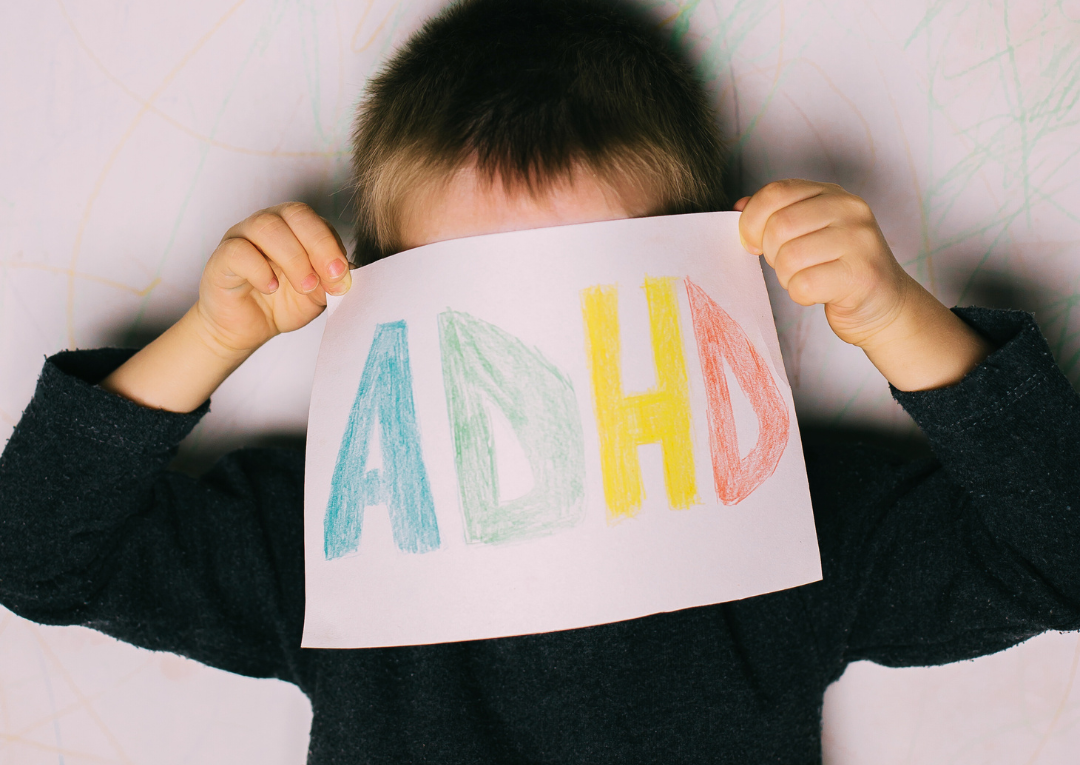
How to Support Students with ADHD Effectively in the Classroom
Supporting students with ADHD requires understanding their unique needs and creating structures that help them stay focused and engaged. Providing clear instructions, breaking tasks into manageable steps, and offering frequent reminders can significantly improve their learning experience.
It’s also important to foster a supportive environment where students feel comfortable asking for help. Practical strategies like flexible seating, movement breaks, and positive reinforcement can make a meaningful difference.
Understanding ADHD in Students
ADHD affects attention, impulse control, and hyperactivity, influencing how students learn and interact. Recognizing specific traits, daily struggles, and the benefits of early diagnosis helps provide effective support.
Common Characteristics of ADHD
Students with ADHD often show symptoms in three key areas: inattention, hyperactivity, and impulsivity. Inattention includes difficulty sustaining focus, disorganization, and forgetfulness. Hyperactivity manifests as excessive fidgeting, restlessness, or talking. Impulsivity may lead to hasty decisions and interrupting others.
Not every student experiences these symptoms equally, and the presentation can vary by age and gender. These behaviors often impact academic performance and social relationships. Understanding these traits helps tailor appropriate classroom strategies.
Challenges Students with ADHD Face
Academic difficulties are common due to trouble following instructions, completing tasks, and managing time. These students may struggle with organizing assignments and prioritizing work, leading to lower grades or missed deadlines.
Social challenges include difficulty interpreting social cues, maintaining friendships, or controlling emotional responses. These issues can increase feelings of frustration or isolation.
Environmental factors, such as noisy or unstructured classrooms, may worsen symptoms. Targeted accommodations can reduce these challenges and promote better engagement.
Importance of Early Identification
Early identification of ADHD allows timely intervention and reduces long-term academic and social problems. Assessments by professionals can distinguish ADHD from other conditions with overlapping symptoms.
When diagnosed early, students can receive individualized educational plans, behavior therapy, and possible medication. This proactive approach improves self-esteem and learning outcomes.
Delays in diagnosis often lead to missed opportunities for support, causing avoidable struggles in school and home environments.
Classroom Strategies for Supporting ADHD
Effective classroom approaches help students with ADHD maintain focus and engage with learning tasks. Consistency, clear boundaries, and simple guidance create a supportive learning environment.
Structured Class Routines
Students with ADHD benefit from predictable daily schedules. Having set times for activities like lessons, breaks, and transitions reduces anxiety and keeps students oriented.
Use visual schedules posted in the classroom to outline the day. Break larger tasks into smaller, manageable steps with clear time limits. This aids task completion and reduces overwhelm.
Consistent routines around arrival, seating, and materials organization help create stability. Adjusting routines gradually when needed prevents disruption. This structure supports self-regulation and autonomy.
Minimizing Distractions
Reducing sensory and environmental distractions improves focus for students with ADHD. Arrange seating away from windows, doors, or busy areas.
Limit visual clutter by organizing classroom materials and keeping bulletin boards simple. Use noise-reducing tools like rugs or headphones as necessary.
Clear behavioral expectations regarding movement and talking with fewer interruptions. Allow controlled opportunities for movement, such as stretching breaks, to release excess energy without disturbing others.
Providing Clear Instructions
Directions should be concise, specific, and repeated if needed. Use simple language broken into short steps.
Pair verbal instructions with written or visual cues to reinforce understanding. Confirm comprehension by asking students to repeat instructions or demonstrate the task.
Check for distractions before giving instructions to ensure attention. Providing timers or checklists supports task completion and time management.
Academic Accommodations
Supporting students with ADHD academically often requires adjustments tailored to their needs. These adjustments may include changes to deadlines, assignments, and the tools they use for learning.
Flexible Deadlines
Allowing flexible deadlines helps reduce stress and gives students the ability to manage tasks at their own pace. This accommodation acknowledges that students with ADHD may face challenges with time management and sustained focus.
Flexibility can be structured, such as setting incremental deadlines for large projects or allowing extensions without penalty when needed. Clear communication about expectations and deadlines remains important to keep students on track. Flexibility should balance maintaining academic standards while supporting the student’s unique needs.
Modified Assignments
Modified assignments adjust workload or format to better suit the student’s strengths and challenges. This could involve reducing the number of questions, offering alternative formats such as oral presentations, or providing guided outlines to help with organization.
The goal is to maintain learning objectives while minimizing frustration and overwhelm. Modifications should be individualized, based on a student’s specific difficulties with attention, hyperactivity, or executive function. Regular monitoring ensures the modifications remain effective without lowering academic rigor.
Access to Assistive Technology
Assistive technology tools can enhance focus, organization, and comprehension. Common tools include speech-to-text software, digital organizers, timers, and noise-cancelling headphones.
These technologies support skills that students with ADHD often struggle with, such as reading, writing, and sustaining attention. Introducing technology should include training so students use it effectively. Integration of assistive tools into daily learning can improve both academic performance and independence.
Behavioral and Organizational Supports
Effective supports focus on encouraging positive behavior, improving time use, and building skills that help students manage their responsibilities. These strategies can create a more structured and motivating learning environment.
Positive Reinforcement Techniques
Using positive reinforcement helps increase desirable behaviors by rewarding them immediately. Examples include praise, tokens, or small privileges given when a student completes tasks or follows instructions.
Consistency is key. Reinforcement should be clear and closely timed to the behavior. Structured reward systems, like token economies, provide tangible incentives that maintain motivation over time.
It’s important to identify specific behaviors to reinforce, such as staying on task or raising a hand before speaking. Avoid vague praise—be specific, stating exactly what behavior was good. This helps the student understand and repeat the correct actions.
Time Management Tools
Many students with ADHD struggle with managing time and transitions. Visual timers and digital apps that track time can help make abstract time more concrete.
Breaking tasks into smaller, timed segments reduces overwhelm. For example, a 20-minute work period followed by a 5-minute break uses the Pomodoro technique, which can improve focus.
Creating structured daily schedules with clear start and end times for activities helps build routine. Calendars and planners, especially with color coding, visually organize tasks and deadlines.
Teaching Organizational Skills
Explicit instruction in organizing materials and tasks is essential. This includes strategies for keeping binders and desks tidy and managing homework assignments.
Teaching students to use checklists promotes task completion and reduces forgetfulness. For example, a daily homework checklist reviewed at the end of the day ensures accountability.
Learning to categorize and prioritize tasks helps manage workload. Visual aids like labeled folders or color-coded notebooks support organization. Repeated practice with these tools fosters independence.
Collaboration with Parents and Guardians
Building a strong partnership between educators and families is essential for supporting students with ADHD. Clear communication and joint planning create consistency between home and school environments, improving student outcomes.
Effective Communication Methods
Regular, transparent communication ensures all parties stay informed about the student’s progress and needs. Use multiple channels such as emails, phone calls, and face-to-face meetings to accommodate parents’ preferences and schedules.
Focus conversations on specific behaviors and academic performance rather than generalizations. For example, mention observed attention challenges during math or improvements in task completion instead of vague statements.
Documenting important points from meetings clarifies expectations and follow-up actions. Sharing brief weekly updates or daily behavior logs can keep parents engaged and reinforce positive habits at home.
Developing Support Plans Together
Collaborative support plans tailor strategies to each student’s unique ADHD challenges. Involve parents in identifying triggers, effective accommodations, and reinforcement techniques used both at school and home.
Create a clear, written plan outlining roles, goals, and monitoring methods. This could include agreed-upon homework routines, breaks during tasks, or organizational tools like planners and timers.
Revisit these plans regularly to make adjustments based on the student’s progress and any changes in behavior or circumstances. Consistency and shared responsibility promote more effective and sustained support.
Role of Specialized Professionals
Specialized professionals play a vital role in creating effective support systems for students with ADHD. Their expertise helps tailor interventions to individual needs and ensures consistent monitoring of progress.
School Counselors’ Involvement
School counselors provide direct support to students with ADHD by addressing emotional and social challenges. They develop behavior management plans and coordinate accommodations such as extended test time or preferential seating.
Counselors also communicate regularly with teachers and families to track student progress and adjust supports as necessary. They lead social skills groups that help students improve peer interactions and self-regulation strategies.
By identifying signs of anxiety or low self-esteem, school counselors ensure mental health concerns are addressed early. Their role extends beyond academics, fostering a holistic approach to student well-being.
Collaboration with Educational Psychologists
Educational psychologists assess students to identify ADHD symptoms and related learning difficulties. Their evaluations inform individualized education plans (IEPs) or 504 plans by pinpointing specific cognitive and behavioral needs.
These professionals recommend evidence-based interventions such as cognitive-behavioral techniques or organizational skill training. They also consult with teachers to implement classroom strategies that reduce distractions and improve focus.
Ongoing collaboration between educational psychologists, teachers, and families ensures that interventions remain relevant and effective over time. Their expertise supports data-driven decision-making in academic and behavioral support.
Addressing Social and Emotional Needs
Supporting students with ADHD requires attention to their confidence and social interactions. These areas significantly affect their overall well-being and ability to thrive in academic and social settings.
Building Self-Esteem
Students with ADHD often face criticism, which can lower their self-esteem. Encouraging small, achievable goals helps build their sense of accomplishment. Recognizing effort instead of only results reinforces positive behavior.
Use specific praise such as, “You stayed focused on your task for 10 minutes, great job.” Avoid vague or generic compliments. Allow students to reflect on their progress to understand their strengths.
Providing opportunities for success, such as leadership roles in group work or hobbies, enhances self-worth. Address negative self-talk by teaching coping strategies and focusing on strengths instead of weaknesses.
Supporting Peer Relationships
Students with ADHD may struggle with social cues and impulsivity, affecting friendships. Teach social skills explicitly, like taking turns, listening actively, and recognizing emotions.
Structured group activities with clear roles reduce misunderstandings and increase positive interactions. Help students identify peers who share interests to facilitate connections.
Encourage teachers and parents to model inclusive behavior and intervene early in conflicts. Using role-play can prepare students for real-life social situations. Frequent check-ins help monitor progress in social skills development.
Promoting Self-Advocacy and Independence
Helping students with ADHD develop skills to manage their learning and responsibilities can improve their confidence and outcomes. Practical tools for tracking behaviors and fostering accountability are essential components of this process.
Teaching Self-Monitoring Strategies
Self-monitoring teaches students to observe and regulate their behavior actively. Using checklists or digital apps, students can track attention, task completion, or emotional responses during class.
Break tasks into smaller, measurable steps. For example:
| Step | Description |
| Identify goal | Define what needs to be done |
| Check progress | Note focus or distractions |
| Adjust actions | Modify behavior as needed |
Encourage students to review their records daily. This helps build awareness and control over impulsive or inattentive behaviors.
Encouraging Responsibility
Assign clear, manageable tasks to foster a sense of ownership. Responsibilities like organizing materials or managing deadlines teach students to recognize their role in success.
Use tools like planners or alarms to support task management. Regular check-ins reinforce accountability without causing stress.
Praise efforts and improvements, even small ones. This positive reinforcement motivates continued growth in independence and self-management.
Monitoring Progress and Making Adjustments
Effective support requires ongoing observation and timely changes to interventions. Tracking specific outcomes and adapting strategies ensures that the support remains relevant to the student’s evolving needs.
Tracking Student Outcomes
Consistent data collection on academic performance, behavior, and engagement is essential. Use tools such as rubrics, behavior charts, and self-assessments to gather measurable information.
Record progress weekly or biweekly to identify trends. Key indicators include task completion rates, focus duration, and response to prompts. Collaborate with the student and caregivers for additional insights.
Utilize technology when possible—apps or digital trackers can simplify this process. This approach helps determine whether current supports are effective or need reevaluation.
Refining Support Strategies
Adjustments should be based on objective data and direct feedback. If a student struggles with time management, introduce or modify tools like visual timers or scheduled breaks.
Experiment with varying the structure or intensity of supports. For example, increase check-ins if attention lapses persist or try alternative note-taking methods if comprehension is low.
Document changes and monitor their impacts closely. Continuous refinement maximizes the likelihood of positive outcomes and minimizes frustration for both students and educators.
Conclusion
Supporting students with ADHD requires patience, consistency, and tailored strategies. Understanding their unique challenges enables educators and caregivers to create effective learning environments.
Using structured routines, clear instructions, and positive reinforcement helps improve focus and behavior. Flexibility in approach is key, as each student’s needs may differ.
Simple tools can make a significant difference:
| Strategy | Purpose |
| Visual schedules | Enhance predictability |
| Break tasks into steps | Reduce overwhelm |
| Frequent movement breaks | Help manage hyperactivity |
Collaboration between teachers, parents, and specialists ensures comprehensive support. Open communication fosters trust and promotes shared goals.
Empathy and acknowledgment of progress, no matter how small, encourage motivation. Adapting environments and expectations can empower students to reach their potential.